

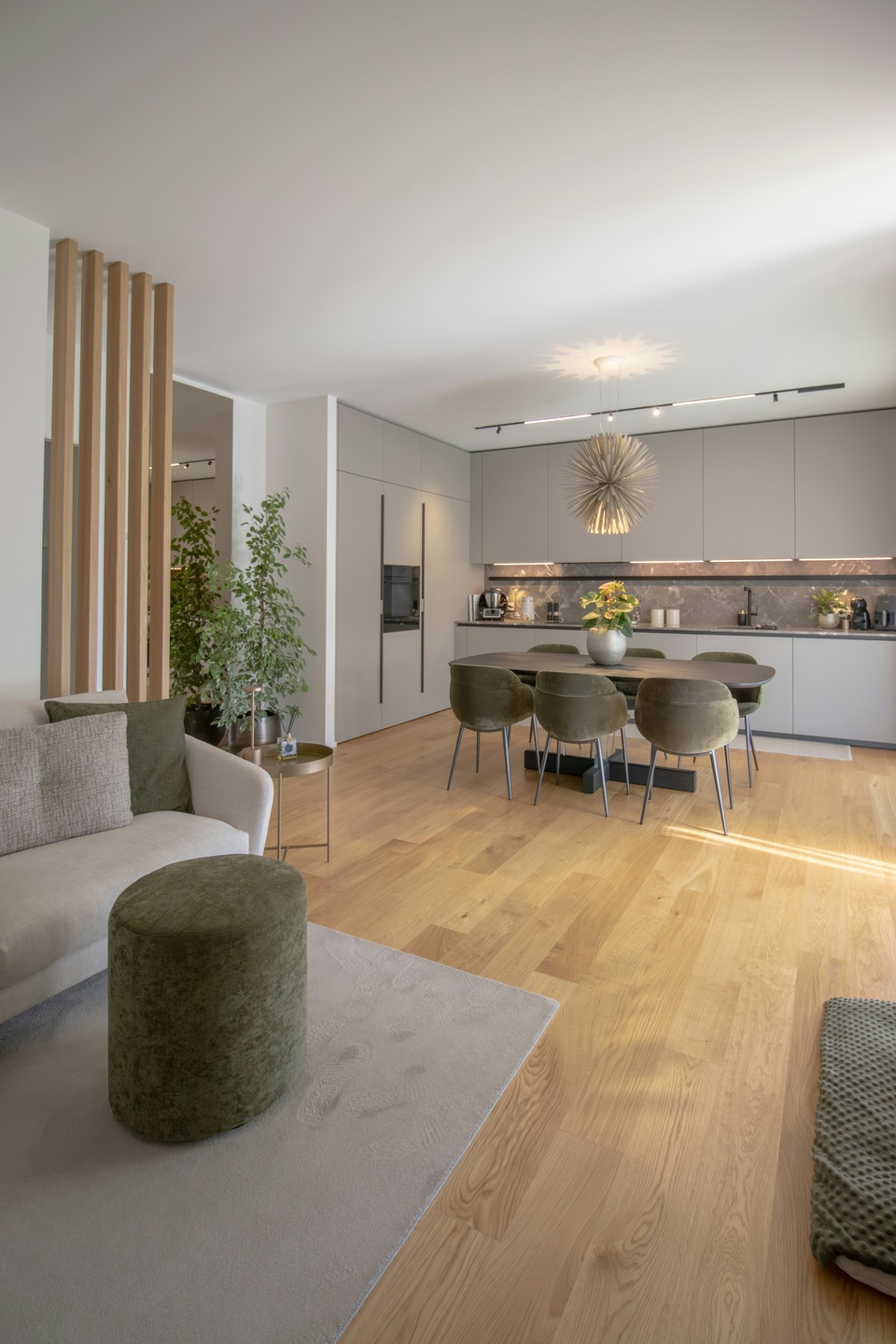
Every homeowner has experienced it — that unexpected creak, pop, or hollow tap underfoot that makes you pause mid-step. Your floors are communicating with you, and if you listen carefully, they're telling you exactly what's going on beneath the surface. At LP Custom Floors LLC, we've spent years interpreting the secret language of flooring, and we're here to help you decode those mysterious sounds.
The Classic Creak: Hardwood's Most Common Complaint
That romantic old-house creak might sound charming in movies, but in reality, it signals movement between your wood flooring and the subfloor beneath. When hardwood planks aren't properly secured, seasonal humidity changes cause the wood to expand and contract, creating friction that produces those telltale squeaks. Sometimes the fix is as simple as addressing humidity levels in your home. Other times, the subfloor itself needs attention before refinishing or replacing the wood above. Either way, creaking isn't something you should simply accept as normal.
The Hollow Knock: Tile Trying to Tell You Something
Walk across your tile floor and tap — does it sound hollow in certain areas? This is a classic sign of debonding, where the tile has separated from the mortar or adhesive beneath it. This happens when tiles are improperly installed, when the wrong adhesive is used, or when the subfloor wasn't adequately prepared. Hollow-sounding tiles are more than an annoyance; they're vulnerable to cracking under pressure. Professional tile installation eliminates this problem entirely by ensuring complete adhesive coverage and proper subfloor preparation.
The Mysterious Pop: Seasonal Shifts at Work
Random popping sounds, especially during temperature transitions between seasons, often indicate that wood planks are adjusting to environmental changes. Quality hardwood installation accounts for expansion gaps and proper acclimation of materials before they're ever laid down. When these steps are skipped, you get a floor that sounds like bubble wrap throughout autumn and spring.
The Grinding Whisper: Sand and Debris Below
A subtle gritty sound when walking across tile can mean that debris has worked its way beneath loose tiles or into grout lines that have deteriorated. This grinding accelerates damage and can compromise surrounding tiles over time. Regular maintenance and professional grout restoration can silence this issue before it escalates into a costly full replacement.
Prevention Is the Best Sound Strategy
The truth is, most floor noises are preventable with expert installation and quality materials. Proper subfloor preparation, correct acclimation of wood materials, full adhesive coverage for tile, and professional-grade techniques make the difference between a floor that speaks up and one that stays peacefully silent for decades.
At LP Custom Floors LLC in Cornelius, NC, we believe every floor should be seen and not heard — unless you're admiring how beautiful it looks. Whether you're dealing with noisy hardwood that needs restoration or tile that's lost its bond, our team delivers precision craftsmanship that keeps your floors quiet and stunning. Reach out to LP Custom Floors LLC today and let us give your home the sound of silence it deserves.


