

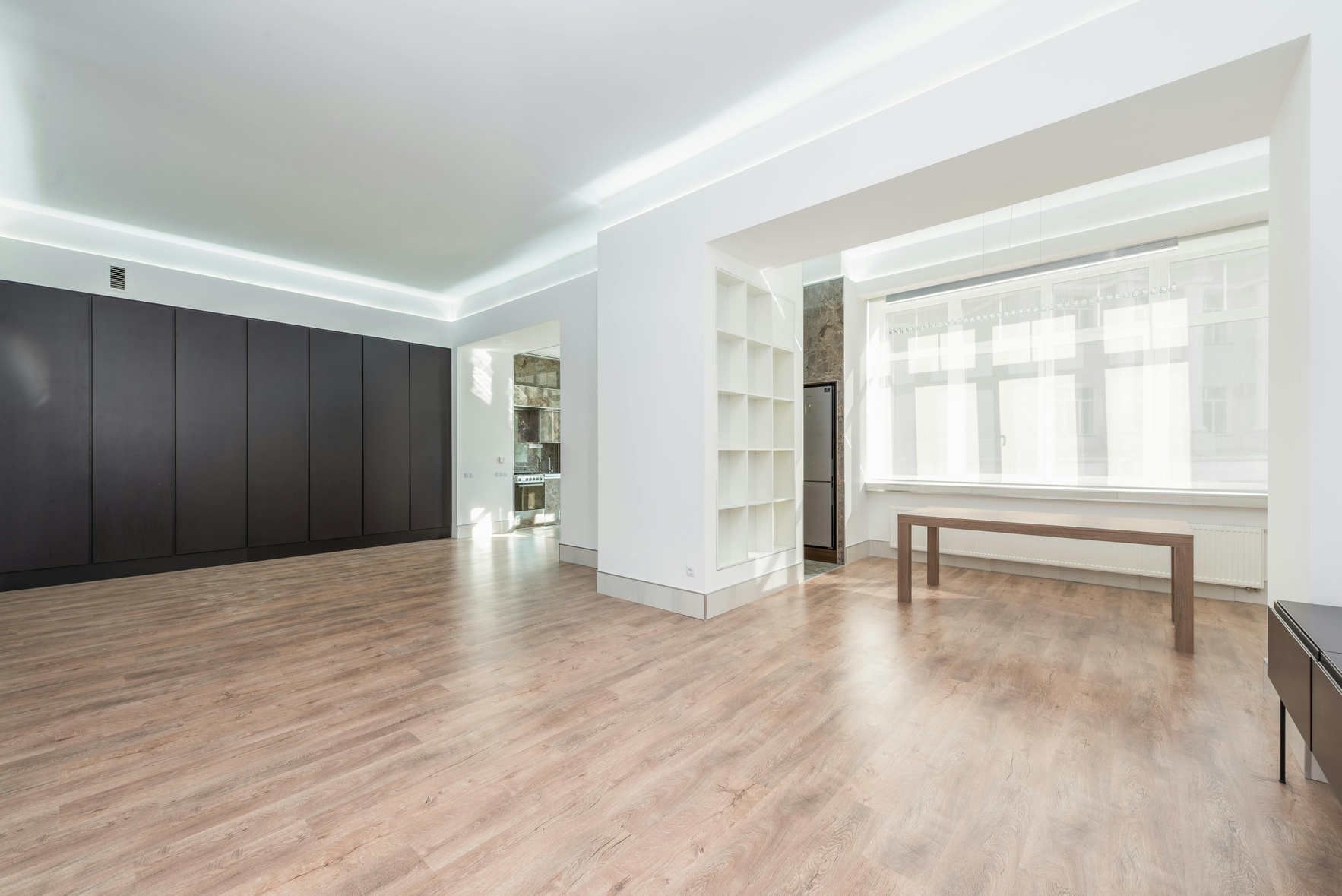
Every flooring decision involves more than selecting a color that complements your furniture. Beneath the surface of this seemingly simple choice lies a complex interplay of factors that determine whether your floor will perform beautifully for decades or become a source of frustration within years. Understanding this hidden science empowers homeowners to make informed decisions that align with their specific circumstances.
The climate of North Carolina presents unique challenges that significantly influence flooring performance. Our region experiences notable humidity fluctuations throughout the year, from the heavy moisture of summer months to the drier conditions that heating systems create in winter. These variations cause natural materials to expand and contract, a reality that must inform material selection and installation approaches.
LP Custom Floors LLC in Cornelius, NC has developed deep expertise in navigating these regional considerations. Our team understands that flooring solutions appropriate for Arizona or Minnesota may perform differently in our Carolina climate. This localized knowledge proves invaluable when guiding homeowners toward choices that will thrive in their specific environments.
Wood flooring responds dynamically to ambient humidity. As moisture levels rise, wood absorbs water vapor from the air and expands. When humidity drops, wood releases moisture and contracts. This breathing characteristic gives wood its warm, living quality but demands respect during both selection and installation phases. Wide plank floors experience more pronounced movement than narrow strips, an important consideration for dramatic plank widths.
Engineered hardwood addresses humidity concerns through intelligent construction. Multiple layers of plywood or high-density fiberboard beneath the hardwood veneer create cross-grain stability that resists expansion and contraction. This engineering doesn't eliminate movement entirely but reduces it significantly, making engineered products excellent choices for environments with humidity variations.
Acclimation represents one of the most important yet frequently misunderstood aspects of wood flooring installation. Before installation, wood products must equilibrate with your home's environment. This process typically requires seven to fourteen days, during which flooring materials adjust to the temperature and humidity conditions they'll experience permanently. Rushing or skipping acclimation invites problems including gapping, buckling, and cupping.
Subfloor conditions fundamentally influence flooring performance regardless of the surface material selected. Concrete slabs must be tested for moisture vapor emission rates before installation of moisture-sensitive materials. Wood subfloors require assessment for levelness, stability, and structural integrity. Addressing subfloor issues before installation prevents problems that become expensive and disruptive to correct after the fact.
Moisture testing of concrete slabs deserves particular attention for homeowners considering wood or tile installation. Even concrete that appears dry may emit problematic moisture levels. Calcium chloride tests and relative humidity testing provide quantitative data that guides material selection and determines whether moisture mitigation is necessary. Skipping this step gambles with your flooring investment.
The underlayment beneath your floor serves multiple functions that affect both performance and comfort. Acoustic underlayments reduce sound transmission between floors in multi-level homes. Cushioned underlayments add comfort underfoot. Vapor barrier underlayments prevent moisture migration from concrete into flooring materials. Selecting appropriate underlayment requires understanding your specific needs and the flooring material being installed.
Traffic patterns and intensity should inform material selection for different areas within your home. Entryways endure concentrated foot traffic along with abrasive grit tracked in on shoes. Kitchens suffer dropped utensils, rolling loads from appliances, and potential moisture exposure. Bedrooms experience lighter traffic and may prioritize comfort over durability. Recognizing these varied demands allows strategic material placement throughout your home.
Pet ownership introduces considerations that many flooring discussions overlook. Dogs' nails create scratch potential that varies with floor hardness and finish type. Harder wood species and harder finish formulations resist scratching better than softer alternatives. Tile proves essentially scratch-proof but may cause joint stress for large dogs over time. Understanding your pets' habits helps identify flooring that accommodates their presence while maintaining beautiful appearances.
Children transform flooring selection from an aesthetic exercise into a durability calculation. Dropped toys, wheeled vehicles, arts and crafts mishaps, and general exuberance test flooring resilience. Materials that clean easily and resist damage provide practical advantages for family homes. The ability to refinish wood flooring offers long-term solutions for accumulated wear that accumulates during child-rearing years.
The subfloor heating common in newer North Carolina construction influences flooring compatibility significantly. Radiant heating systems require flooring materials that conduct heat effectively without damage from temperature cycling. Tile excels in radiant heat applications, efficiently transmitting warmth to living spaces. Engineered wood performs acceptably with proper system design, while solid hardwood presents challenges that may preclude its use.
Light exposure affects flooring materials in ways that surprise many homeowners. Wood species vary dramatically in their photosensitivity, with some darkening substantially and others lightening upon UV exposure. Brazilian cherry, for example, undergoes dramatic darkening during its first months of light exposure. Understanding these characteristics prevents surprises as floors mature in place. Area rugs and furniture can create color inconsistencies when they shield portions of photosensitive floors.
The hardness of wood species, measured by the Janka hardness scale, provides quantitative comparison of dent resistance. Southern yellow pine rates approximately 690, making it relatively soft and prone to denting. Red oak's rating of 1290 establishes a common benchmark. Hickory's 1820 rating makes it among the hardest domestic species. Brazilian walnut tops charts at 3680, though availability and cost limit its use. Matching species hardness to expected traffic intensity ensures appropriate durability.
Finish systems significantly impact wood floor performance beyond their aesthetic effects. Oil-based polyurethane provides traditional protection with amber tones that warm wood colors. Water-based finishes maintain color clarity and cure faster with lower odor. Penetrating oils create natural appearances but require more frequent maintenance. Hard wax oils combine characteristics of penetrating and film-forming finishes. Understanding these options enables informed finish selection.
Porcelain tile's density determines its suitability for various applications. Porcelain Enamel Institute ratings classify tiles by their resistance to surface wear from foot traffic. PEI 1 suits wall applications only. PEI 2 handles light residential traffic. PEI 3 satisfies most residential requirements. PEI 4 manages commercial traffic. PEI 5 withstands heavy commercial and institutional demands. Matching tile ratings to intended use ensures lasting performance.
Slip resistance ratings for tile deserve attention, particularly in wet areas. The coefficient of friction measures surface slipperiness, with higher values indicating greater slip resistance. Textured surfaces generally provide better traction than polished finishes. Wet areas like bathrooms and pool surrounds demand tiles specifically designed for slip resistance. Safety considerations should influence tile selection alongside aesthetic preferences.
The coefficient of thermal expansion differs among flooring materials, affecting their behavior in sunrooms, enclosed porches, and spaces with significant temperature variations. Materials that expand substantially may buckle or gap in these demanding environments. Understanding thermal expansion characteristics helps avoid problems in challenging installations.
Indoor air quality concerns have elevated attention to volatile organic compound emissions from building materials. Some flooring products, adhesives, and finishes emit chemicals that affect air quality, particularly during and immediately following installation. Low-VOC and zero-VOC options exist across flooring categories for homeowners prioritizing air quality. Certifications like FloorScore and GREENGUARD identify products meeting emission standards.
Professional assessment of your specific circumstances proves invaluable before major flooring decisions. LP Custom Floors LLC offers consultations that examine your home's conditions, traffic patterns, aesthetic preferences, and budget constraints. This holistic approach identifies solutions that perform optimally within your unique context rather than applying generic recommendations.
The science underlying flooring performance needn't intimidate homeowners but should inform their decisions. Understanding how materials respond to your environment, how traffic affects durability, and how installation quality influences long-term performance empowers intelligent choices. Armed with this knowledge and guided by experienced professionals, homeowners can select flooring that delivers lasting satisfaction.
Our team at LP Custom Floors LLC brings both technical expertise and practical experience to every consultation. We've installed flooring throughout Cornelius and surrounding communities, learning how materials perform in our regional conditions. This accumulated knowledge benefits every client we serve, helping avoid common pitfalls while achieving beautiful, lasting results. Contact us to discover how science-informed flooring selection can transform your home.


