

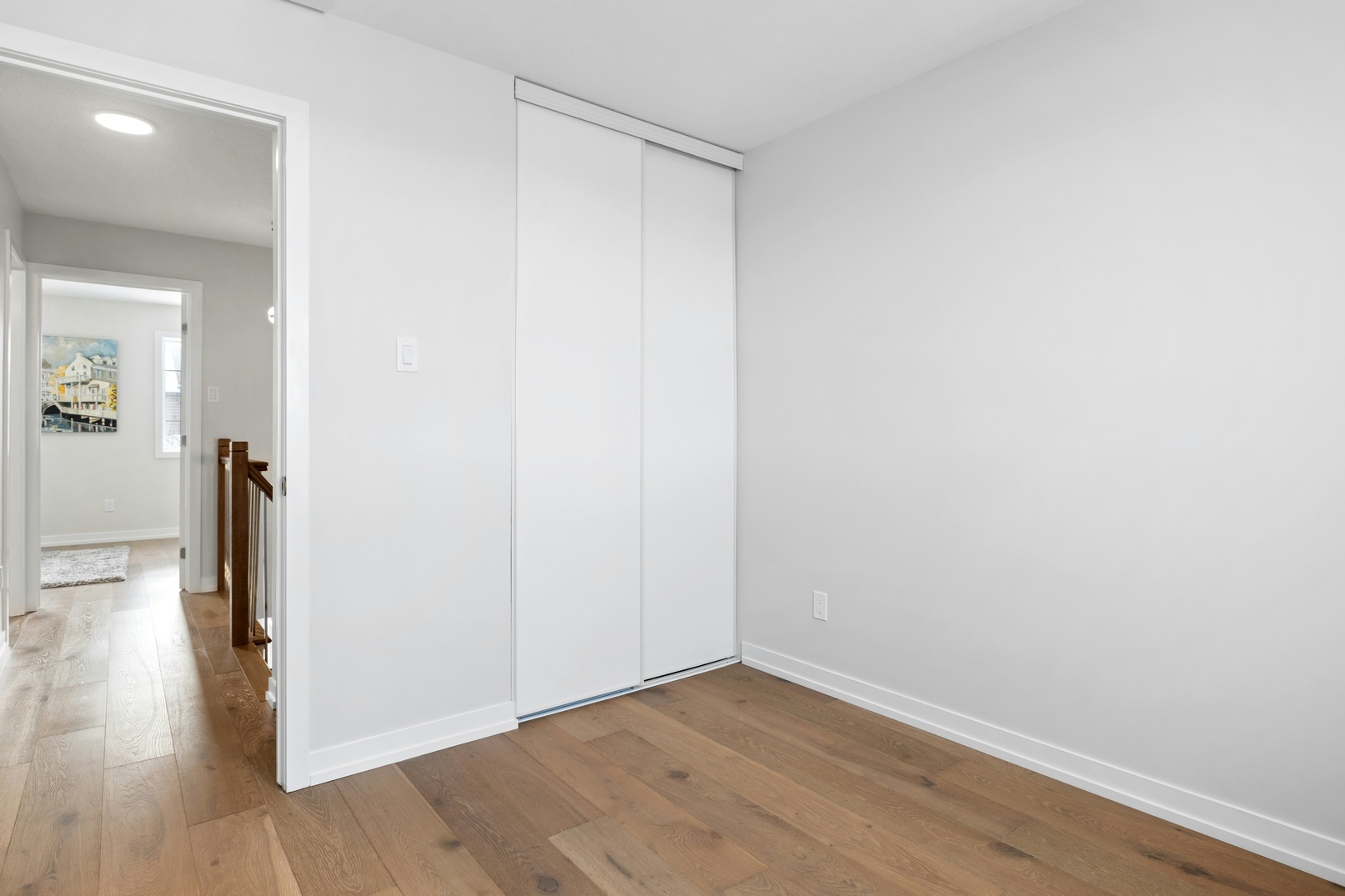
Designing a home often comes down to balance. Too much of one material can feel overwhelming, while too little can make a space feel incomplete. This is where the combination of wood and tile becomes particularly powerful.
Each material brings something distinct to the table. Wood offers warmth, texture, and a sense of continuity. Tile provides precision, durability, and versatility. When used together thoughtfully, they create a layered environment that feels both functional and refined.
The key is understanding where each material performs best.
Wood flooring is ideal for living areas, bedrooms, and spaces where comfort and visual flow are priorities. It creates a seamless foundation that connects different parts of the home. Its natural variations add depth without requiring additional design elements.
Tile, on the other hand, excels in areas that demand resilience. Kitchens, bathrooms, and entryways benefit from its ability to handle moisture and heavy use. It provides a stable, low-maintenance surface that holds up over time.
Transitions between these materials are where design decisions become critical. A well-executed transition feels natural—it doesn’t interrupt the flow of the space. This can be achieved through careful alignment, complementary color choices, and attention to scale.
Another aspect to consider is contrast. Pairing the warmth of wood with the clean lines of tile creates visual interest. It prevents spaces from feeling flat or one-dimensional. Instead, each area takes on its own identity while still contributing to the overall design.
There’s also a practical benefit to this combination. By using each material where it performs best, homeowners can extend the lifespan of their flooring and reduce maintenance concerns.
Lighting plays a role as well. Wood reflects light in a softer, more diffused way, while tile can create sharper reflections depending on its finish. Together, they add complexity to how light moves through a space.
At LP Custom Floors LLC, combining wood and tile isn’t about following a trend—it’s about creating a home that works on multiple levels. It’s about blending comfort with durability, warmth with structure.
For homeowners in Cornelius, this approach offers a way to design spaces that feel both cohesive and adaptable, reflecting how different areas of the home are actually used.


