

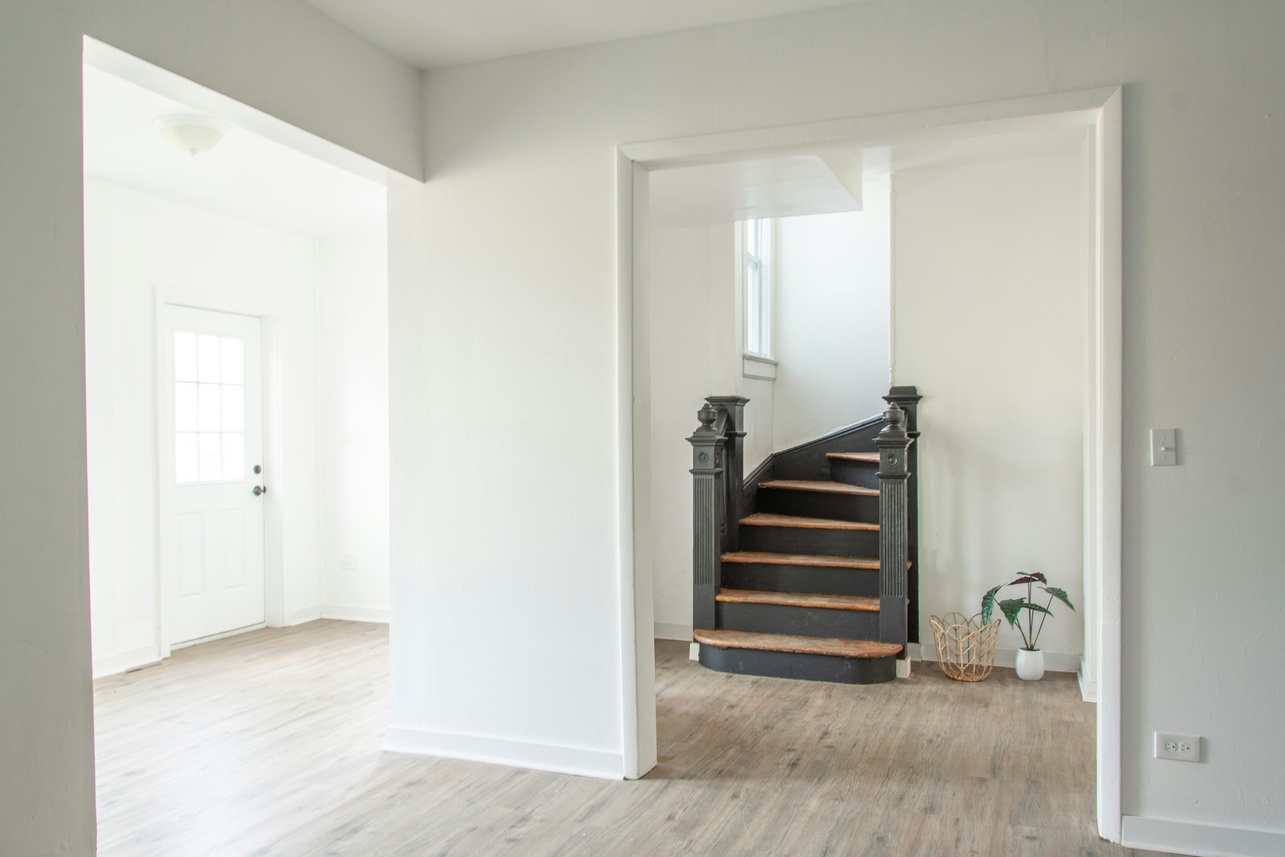
Open floor plans have transformed the way we live, blurring the boundaries between kitchens, living rooms, and dining areas into one flowing space. But this design freedom introduces a unique challenge — how do you combine different flooring materials without making your home look disjointed? The answer lies in the art of thoughtfully blending wood and tile, and at LP Custom Floors LLC, it's one of our favorite design conversations to have.
Why Two Materials Are Better Than One
Using a single flooring material throughout an entire open layout might seem like the safest choice, but it's not always the smartest. Kitchens and entryways demand moisture-resistant, easy-to-clean surfaces where tile excels. Living areas and bedrooms crave the warmth and organic elegance that only hardwood delivers. Combining both materials lets each space function at its best while maintaining visual harmony throughout your home.
The Transition Zone: Where Magic Happens
The key to a successful wood-to-tile combination lives in the transition. Gone are the days of clunky metal transition strips that scream "two different floors meet here." Today's design-forward approach uses flush transitions, where wood and tile meet at exactly the same height with a minimal seam. Hexagonal tile patterns that gradually dissolve into wood planks have become incredibly popular, creating an almost artistic focal point where the two materials blend. Herringbone tile flowing into wide-plank hardwood creates movement and energy. Even a simple straight-line transition, when executed with precision, looks intentional and elegant.
Color Coordination Without Matching
One common mistake homeowners make is trying to match their wood and tile too closely. Instead of identical tones, aim for complementary palettes. Cool gray tile pairs beautifully with warm honey oak. Creamy white marble-look tile alongside rich walnut creates sophistication. The contrast is what makes each material shine and gives your eye natural resting points as it moves through the space.
Texture Tells a Story
Beyond color, texture plays a massive role. Smooth polished tile next to hand-scraped hardwood creates a tactile journey through your home. Matte-finish tiles alongside satin-finish wood feel cohesive yet distinct. These subtle textural differences add depth and dimension that single-material floors simply cannot achieve.
Practical Considerations That Matter
Subfloor height differences must be addressed during installation to prevent tripping hazards. Expansion gaps need careful planning where wood meets rigid tile. Grout color selection near the transition area can either highlight or hide the meeting point. These technical details require experienced hands and trained eyes to execute flawlessly.
Bringing Your Vision Together
The beauty of combining wood and tile is that it reflects how you actually live. It's practical, stunning, and deeply personal. At LP Custom Floors LLC in Cornelius, NC, we specialize in both hardwood and tile installation, making us uniquely qualified to design and install seamless multi-material floors. Our craftsmen understand how to marry these surfaces beautifully so your open floor plan feels like one cohesive masterpiece. Contact LP Custom Floors LLC today and let us help you create a home where every step is a work of art.


