

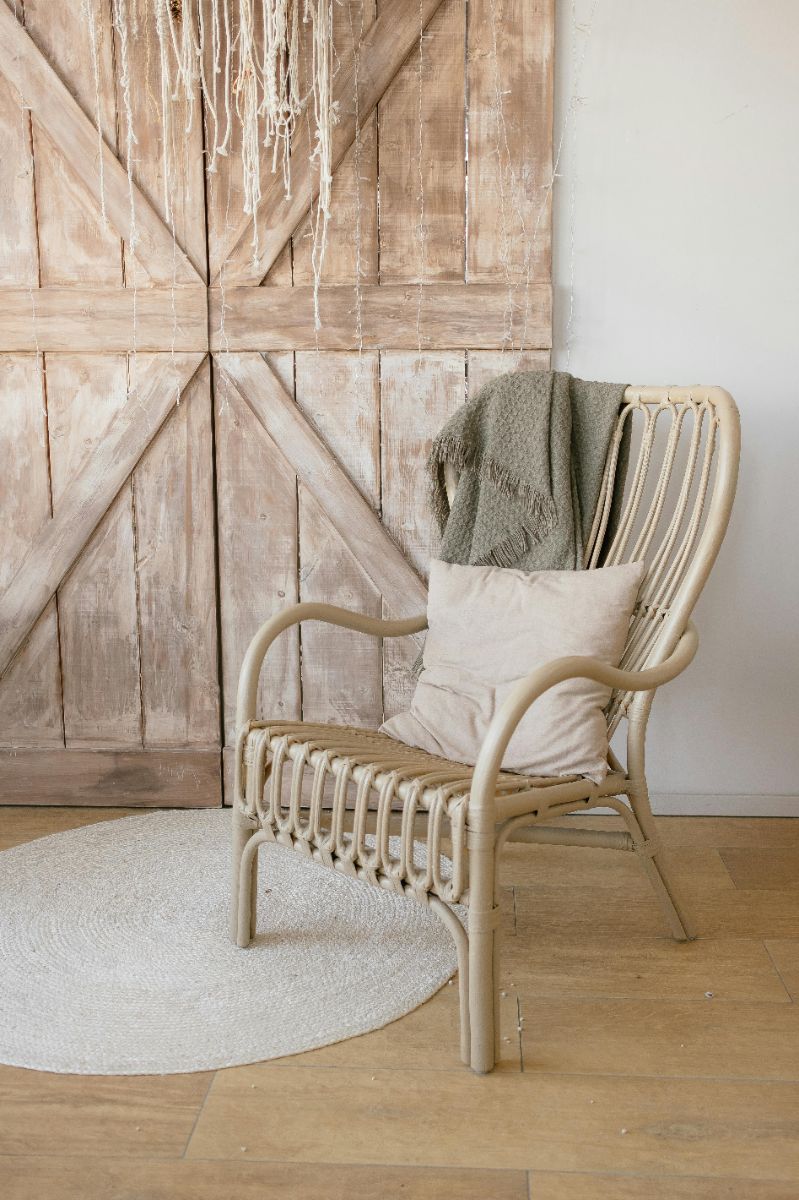
Some of the most striking interiors don’t rely on a single flooring material. Instead, they use wood and tile together to define spaces, improve functionality, and create visual flow. When done correctly, combining these materials results in a home that feels intentional rather than segmented.
Wood and tile serve different purposes, which is why they complement each other so well. Wood brings warmth and continuity to living spaces, bedrooms, and hallways. Tile excels in areas exposed to moisture, heat, and heavy use. By placing each material where it performs best, homeowners achieve both beauty and practicality.
Transitions are key to making mixed flooring work. Clean, well-planned transitions ensure that wood and tile connect smoothly without disrupting the overall design. Flush transitions create a seamless look, while subtle thresholds can help define spaces without feeling abrupt.
Color coordination matters just as much as material selection. Wood tones should complement tile colors rather than compete with them. For example, warm wood pairs beautifully with stone-inspired tiles, while cooler wood tones work well alongside concrete-look or modern porcelain tiles.
Layout also influences how mixed flooring feels. Open-concept homes benefit from thoughtful placement that guides movement naturally from one area to another. Tile might anchor the kitchen and entryway, while wood extends through the main living areas, creating a sense of continuity without sacrificing performance.
Design consistency ties everything together. Repeating textures, colors, or patterns across both materials helps maintain visual harmony. This might mean selecting tile with subtle wood-like undertones or choosing wood finishes that echo the warmth of natural stone.
At LP Custom Floors LLC, blending wood and tile is a collaborative design process. Each decision is made with the home’s layout, lifestyle needs, and long-term durability in mind. For homeowners in Cornelius, NC, this approach results in flooring that doesn’t just look cohesive—it works effortlessly with how the home is lived in every day.


